
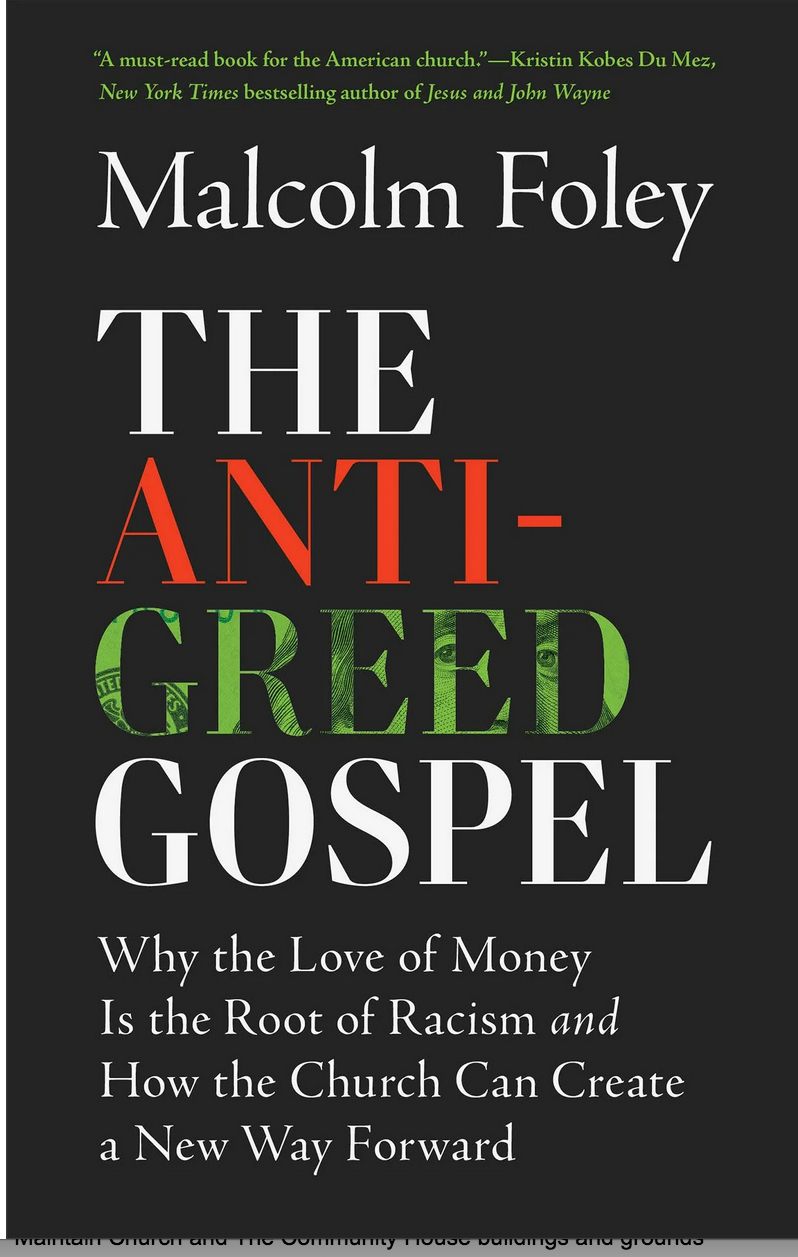
 Why the Love of Money Is the Root of Racism and How the Church Can Create a New Way Forward
- Publication Date: 11th February 2025
- Imprint: Brazos Press
- ISBN: 9781587436307
“A forceful call to recognize the roots of American inequality and a solid starting point for Christians who want to help fix them.”–Publishers Weekly
Racism is not about hate and ignorance. It’s about greed. And it always has been.
Black Christian historian Malcolm Foley explores this powerful idea in The Anti-Greed Gospel, showing how the desire for power and money–what some call “racial capitalism”–drives violence and exploitation across American history. In this book, you’ll discover
● how greed historically gave birth to racial categories and systemic oppression,
● the connection between economic exploitation and racial violence,
● lessons from historical figures like Ida B. Wells on resistance and truth-telling,
● practical steps for building communities of deep economic solidarity, and
● biblical foundations for combating racial capitalism through gospel values.
Foley reviews the history of racial violence in the United States and connects the killings of modern-day Black Americans to the history of lynching in America. He challenges the contemporary church to wrestle with crucial questions: How can we become communities that show generosity and resist greed? What is the next step in the journey toward racial justice?
Readers will gain tools to resist greed that exploits others, love their neighbors more completely, and build communities rooted in deep solidarity, anti-violence, and truth-telling.
Why isn’t your Pastor Taling about Voting Rights?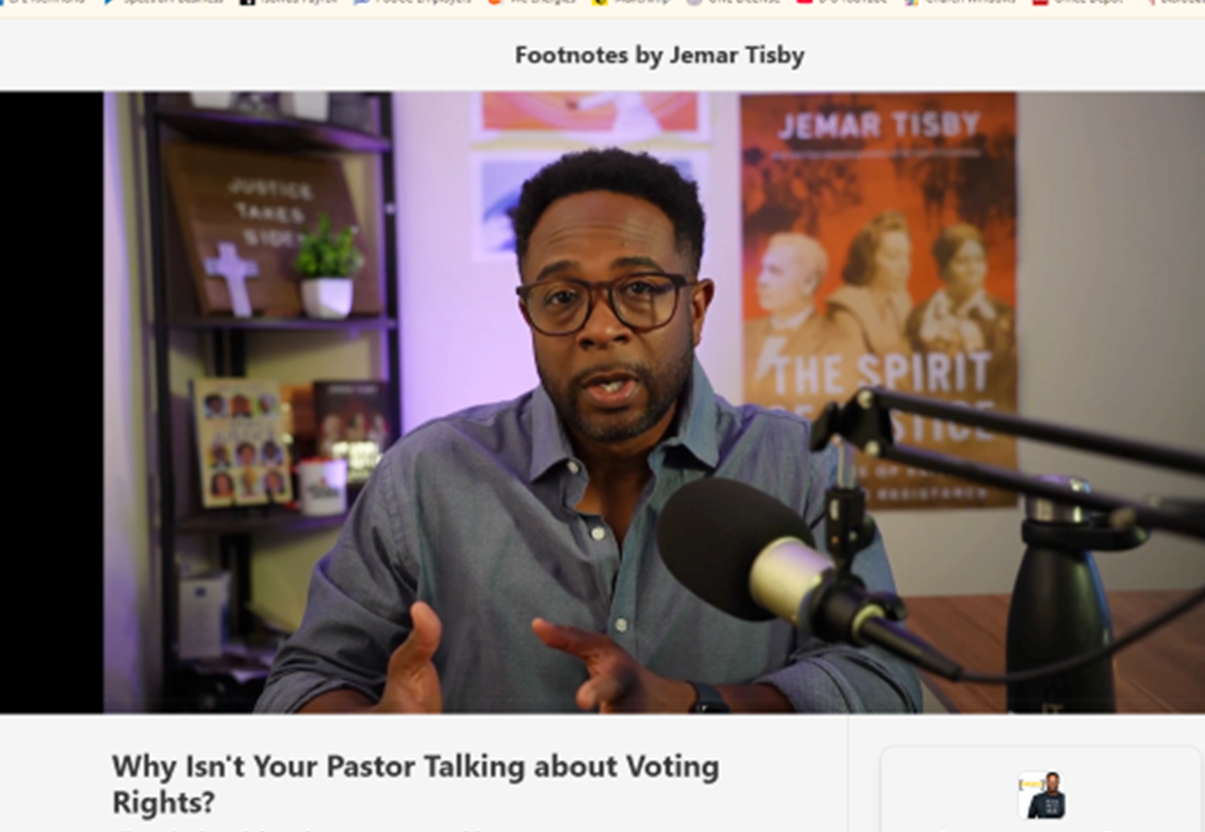
A new book, “The Spirit of Justice: True Stories of Faith, Race and Resistance,” by historian and New York Times bestselling author Jemar Tisby tells the untold stories of Black activists in the fight against racism. Tisby’s book explores the link between Black activism and the Black church, highlighting how faith motivated some of the individuals who contributed to the racial justice movement. Host Stephen Henderson talks with Tisby about the prominent Black activists in his book and the impact their faith had on the fight for racial justice. Tisby also shares his thoughts about Black history being taught in schools.
Another Book Suggestion: Nice Racism: How Progressive White People Perpetuate Racial Harm by Robin DiAngelo
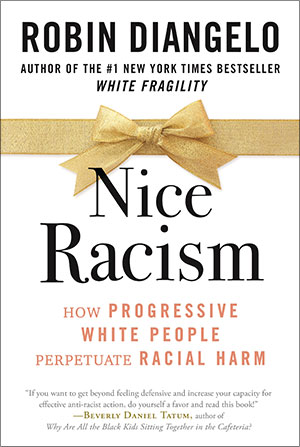
Building on the groundwork laid in the New York Times bestseller White Fragility, Robin DiAngelo explores how a culture of niceness inadvertently promotes racism.
In White Fragility, Robin DiAngelo explained how racism is a system into which all white people are socialized and challenged the belief that racism is a simple matter of good people versus bad. DiAngelo also made a provocative claim: white progressives cause the most daily harm to people of color. In Nice Racism, her follow-up work, she explains how they do so. Drawing on her background as a sociologist and over 25 years working as an anti-racist educator, she picks up where White Fragility left off and moves the conversation forward.
Writing directly to white people as a white person, DiAngelo identifies many common white racial patterns and breaks down how well-intentioned white people unknowingly perpetuate racial harm. These patterns include:
- rushing to prove that we are “not racist”
- downplaying white advantage
- romanticizing Black, Indigenous and other peoples of color (BIPOC)
- pretending white segregation “just happens”
- expecting BIPOC people to teach us about racism
- carefulness
- and feeling immobilized by shame.
DiAngelo explains how spiritual white progressives seeking community by co-opting Indigenous and other groups’ rituals create separation, not connection. She challenges the ideology of individualism and explains why it is OK to generalize about white people, and she demonstrates how white people who experience other oppressions still benefit from systemic racism. Writing candidly about her own missteps and struggles, she models a path forward, encouraging white readers to continually face their complicity and embrace courage, lifelong commitment, and accountability.
Nice Racism is an essential work for any white person who recognizes the existence of systemic racism and white supremacy and wants to take steps to align their values with their actual practice. BIPOC readers may also find the “insiders” perspective useful for navigating whiteness.